
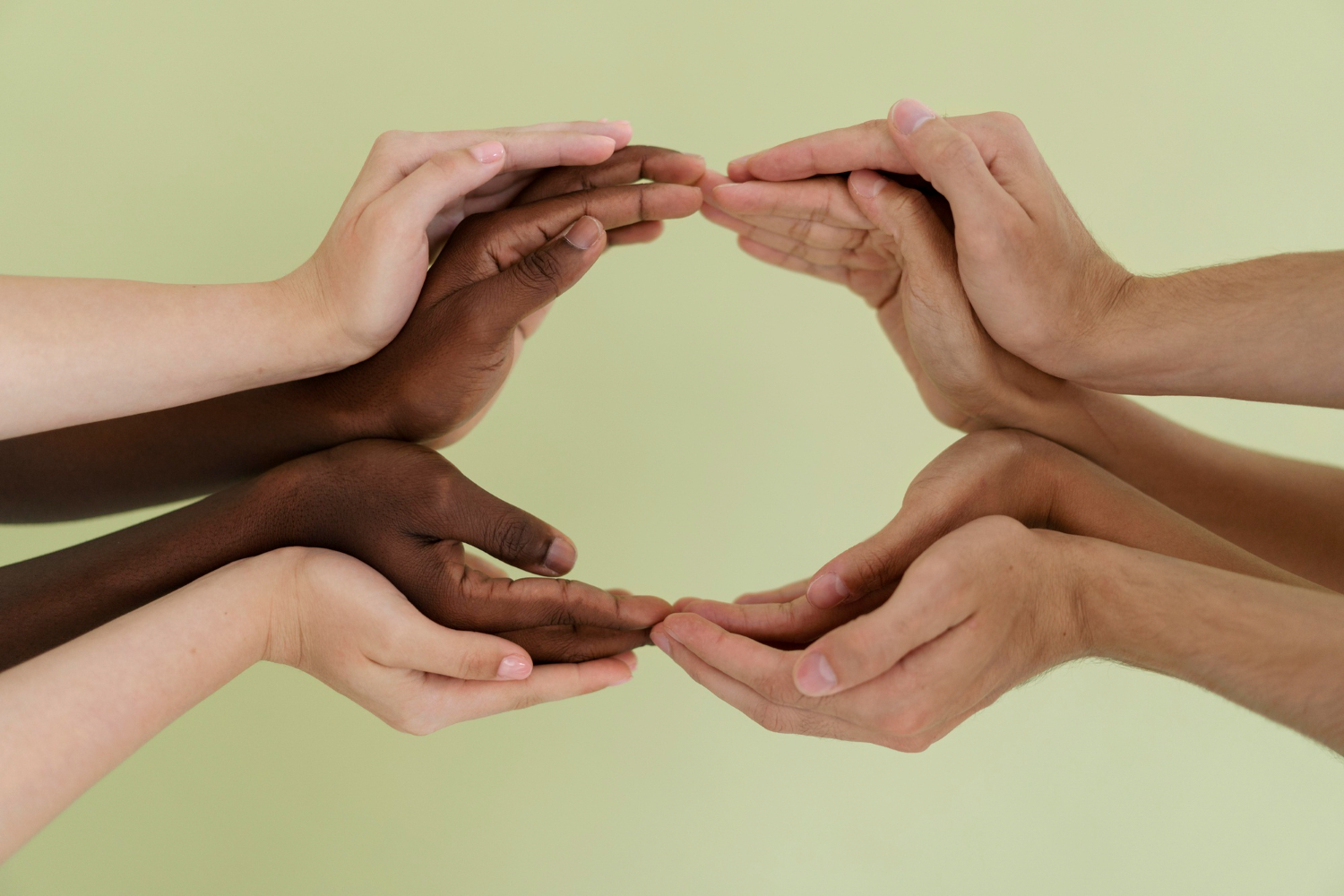
Rights and reality: the distance to be bridged
 admin
adminThe phrase "Rights and reality: the gap we must bridge" accurately describes the gap between what is enshrined on paper and what thousands of people in Greece experience every day. Although the legislation recognizes the fundamental rights of every citizen — to education, to work, to health, to a decent living — their implementation often encounters obstacles. The result is that many are left behind, without equal opportunities and without adequate support.
Theory versus practice
In terms of laws, Greece has made strides. There are provisions for people with disabilities, the economically vulnerable, refugees, women and other social groups. However, real life shows that laws are not enough if they are not implemented properly or if they are not accompanied by the appropriate policies and infrastructure.
- Inaccessible education: Despite everyone's right to education, the lack of accessible school infrastructure and support programs leaves many students out.
- Difficulties at work: Discrimination, inadequate accommodation and lack of incentives for employers keep vulnerable groups out of the labour market.
- Limited access to health: Long waiting lists and lack of support services make health rights seem theoretical.
- Social stigma: Even when legal protections are in place, prejudice continues to isolate people.
Why it's important to bridge the gap
When rights are left inactive, society loses its balance. Inequality increases, citizens lose trust in institutions, and development opportunities are limited. Bridging this gap is not just a matter of justice; it is a matter of sustainable development and social cohesion.
Become a Volunteer and help us put equality into practice, not just proclaim it.
What is needed to move from words to actions
- Implementation of laws without delays: Institutions must ensure that every citizen has immediate access to their rights.
- Strengthening social structures: Creating support, education and training centers for those in need.
- Collaboration between agencies: The state, businesses and NGOs must collaborate for common solutions and meaningful interventions.
- Citizen awareness: Information campaigns that reduce prejudice and promote respect.
- Financing integration programs: Actions need stable resources to have a long-term effect.
Make a Donation and help support actions that make rights a reality.
Examples of good practices
There are cases where theory met practice:
- Vocational training programs for people with disabilities that led to meaningful employment.
- Municipalities that invested in accessible infrastructure, facilitating not only people with disabilities but also the elderly or parents with strollers.
- Social enterprises that offer opportunities to vulnerable groups and prove that diversity is a source of creativity.
The spread of these initiatives inspires others to follow suit, reducing the gap between legislation and everyday life.
Where can those who are left out turn
Access to information is essential. There are agencies, services and organizations that provide guidance, legal advice, psychological support and practical solutions. Every person deserves to know where to turn to claim what they are entitled to.
Find support and take the first step to improve your daily life.
Conclusion: rights that are put into practice
The gap between rights and reality is not insurmountable. By collective action, political will and social sensitivity we can bridge it. Equality is not a privilege· It is a fundamental right for every citizen. The more we participate in the effort, the faster we can see a society that really supports all its people.