
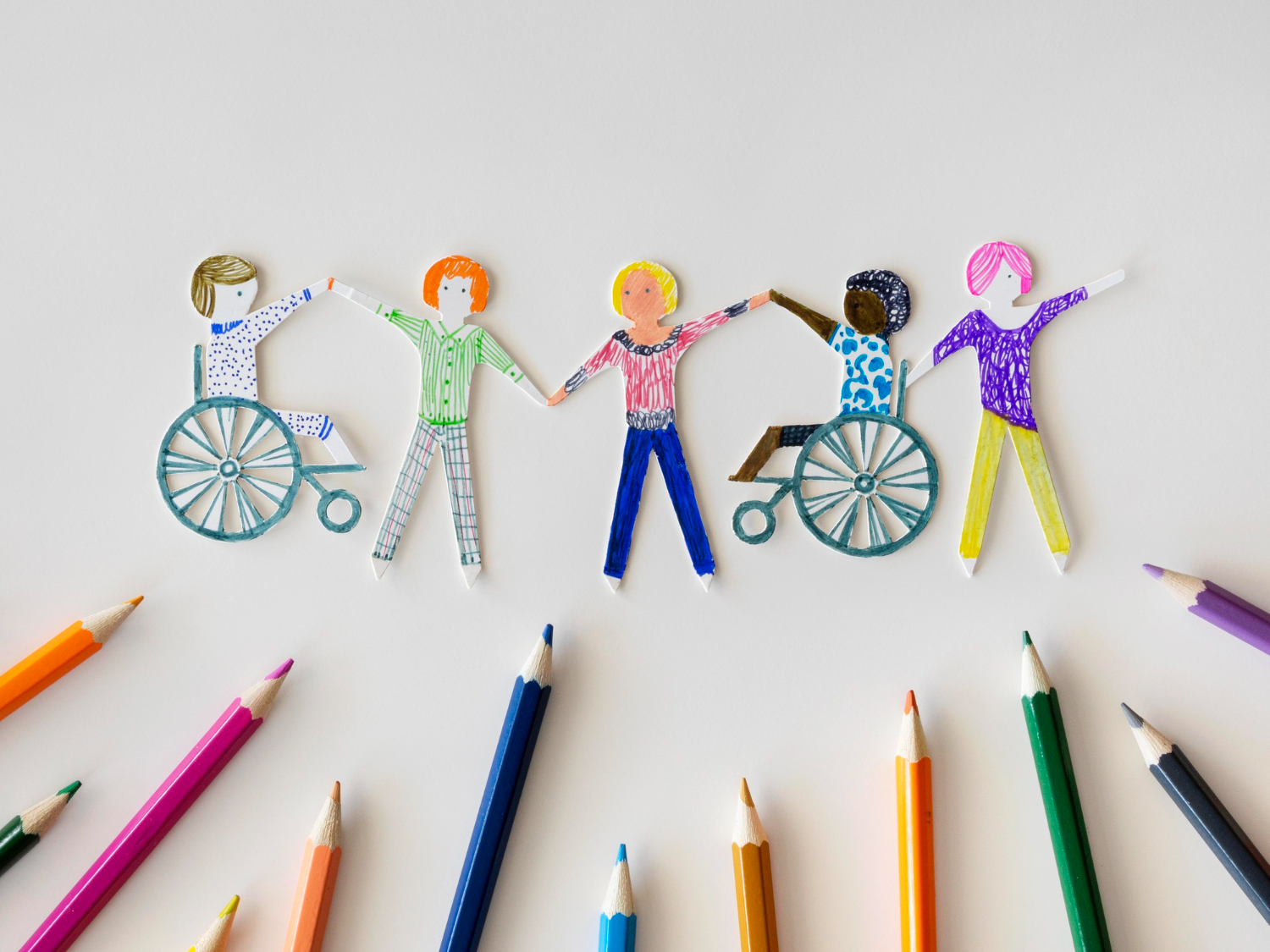
Social exclusion: how it looks and how we deal with it
 admin
adminThe term "Social exclusion: how it looks and how we deal with it" describes a multidimensional problem that touches hundreds of thousands of people in Greece. The social exclusion concerns not only the lack of financial resources; It concerns the inability to participate in key areas of social life, such as education, work, access to health services and social acceptance.
How does social exclusion manifest itself
Social exclusion can take many forms and affect different population groups: people with disabilities, the elderly, the unemployed, the homeless, immigrants or anyone who is marginalized due to social or economic circumstances.
Main manifestations of social exclusion:
- Economic exclusion: lack of access to decent living conditions and work.
- Educational exclusion: inability to access education or training, which perpetuates the vicious cycle of poverty.
- Social stigma: prejudices and stereotypes that lead to isolation.
- Limited access to services: inadequate healthcare, lack of social support or information.
Because it concerns us all
Social exclusion is not just a problem for those who experience it directly; it is a problem for society as a whole. When large parts of the population are left out of productive and social life, we all lose: development opportunities are reduced, social inequality increases and cohesion is undermined.
Tackling social exclusion requires collective action: from the state, civil society, businesses, and each individual citizen.
Become a Volunteer and helped create an environment where no one is left behind.
Ways to address social exclusion
Combating social exclusion is possible when there is a coordinated effort and will.
- Education and training: Creating programs that provide skills and opportunities to vulnerable groups.
- Access to health and social welfare services: Ensuring that every citizen can receive basic care and support.
- Empowerment of employment: Providing incentives to businesses to hire people belonging to vulnerable groups.
- Society awareness: Information campaigns that reduce prejudice and highlight the value of equality.
- Collaboration with NGOs and bodies: Civil society organizations offer direct assistance, information and actions that bridge the gaps in the state.
Make a Donation and supported programs that provide opportunities and change lives.
Examples of successful initiatives
- Local support centers that provide free food, care, and education.
- Social inclusion programs that help people with disabilities find employment and participate equally in society.
- Information campaigns that break down stereotypes and strengthen solidarity.
Spreading these examples shows that change is possible and inspires more people to get involved.
Where can those experiencing social exclusion turn
Information is power. In Greece, there are organizations, social services and NGOs that provide practical and psychological support. Whether you need guidance on your rights or immediate help in your daily life, you can find valuable solutions.
Find support and utilize the tools available to take the next step towards a better life.
Conclusion: an inclusive society is possible
Social exclusion is not inevitable. With appropriate information, political actions and social mobilization, we can build an environment of equality and solidarity. The more we realize that dignity and equal participation are the rights of all, the closer we come to a society that leaves no one behind.