Breaking barriers: The everyday life of people with disabilities in Greece
 admin
adminThe phrase » Breaking obstacles: The everyday life of disabled people in Greece" is not just a title; is a reality involving tens of thousands of our fellow citizens. Persons with disabilities face daily challenges that most of us consider self-evident: access to public spaces, equal opportunities at work, support for mobility and social acceptance. Despite progress in recent years, Greek society still has significant gaps in issues of equality and inclusion.
Obstacles that people with disabilities encounter every day
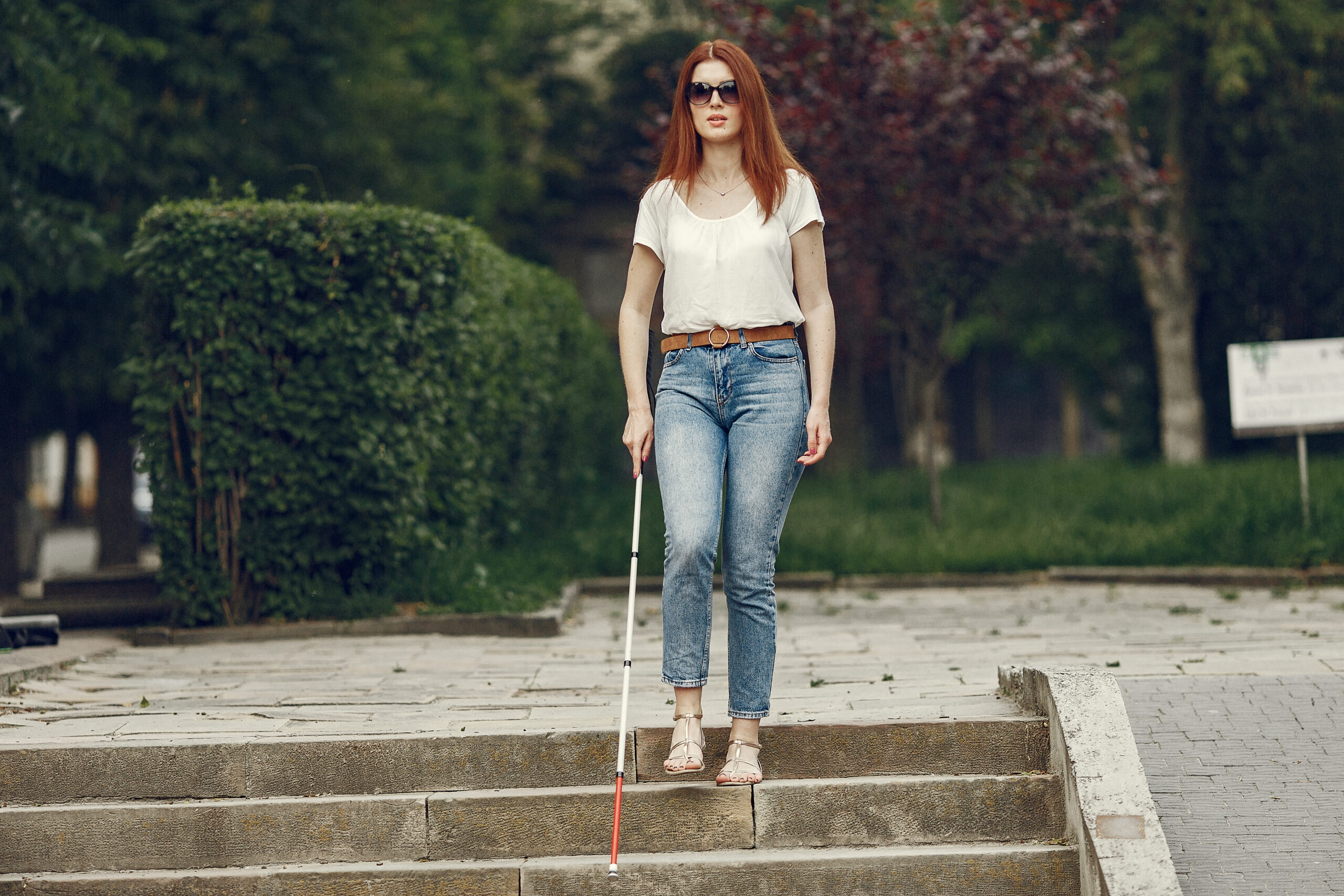
The obstacles are not only natural, such as steps without ramps or roads without accessible sidewalks. They are both institutional, social and cultural. The limited jobs for disabled people, the lack of support programmes and the prejudices that still exist create an environment where people's potential is underestimated or overlooked.
- Access to public spaces: Inadequate transportation infrastructure and buildings without appropriate configuration.
- Labor market: Difficulty finding a job due to prejudices or inadequate adaptation of the workplace.
- Social prejudices: The misconception that people with disabilities have reduced abilities.
- Limited information: Lack of information about rights, benefits and available support services.
The value of inclusion
An inclusive society does not only benefit disabled people; It benefits everyone. When creating accessible spaces, the quality of life is improved for elderly people, parents with carts or anyone experiencing temporary difficulty moving. Equality at work gives opportunities to exploit talents and knowledge that otherwise remain untapped.
Changing mindsets is the first step. Every citizen, business and institution has a role to play in making Greek society more just.
Become a Volunteer and helped create an environment that embraces everyone without discrimination.
Examples of good practices
Despite the difficulties, there are bright examples:
- Municipalities investing in accessibility projects and smart infrastructure.
- Businesses that hire people with disabilities and adapt the workplace to their needs.
- NGOs and social initiatives that provide support, training and integration opportunities.
The dissemination of such examples is crucial, because it proves that change is possible when there is will and cooperation.
How can we all contribute
- Information and awareness-raising: We learn about the rights of people with disabilities and disseminate reliable information.
- Daily acts of respect: We do not occupy parking spaces for people with disabilities, we respect ramps, we help in case of need.
- Supporting initiatives: Financial assistance, volunteering or promoting actions are ways to strengthen the work of organizations that fight for equality.
Make a Donation and help us continue our actions for an inclusive society.
Find the support you need
If you or someone you know is experiencing social exclusion or needs practical help, there are resources available. Agencies, organizations, and programs offer guidance, financial assistance, legal advice, and educational opportunities.
Find support and take advantage of the opportunities that exist to live with more independence and self-confidence.
Looking ahead
To "break barriers" is not just a matter of infrastructure or laws; It is a matter of mentality and collective responsibility. A society that leaves no one behind is a society stronger, more creative and more human. With everyone's cooperation, we can shape a future in which every person has equal opportunities to participate, work, create and live with dignity.